
Explain ecommerce website development
15/04/2026
Seo Agency in Jaipur
07/05/2026

SEO (Search Engine Optimization) is the process of improving a website so that it ranks higher on search engines like Google, Bing, or Yahoo. The main goal is to increase organic (non-paid) traffic by making the website more relevant, useful, and trustworthy in the eyes of search engines. When users search for information, products, or services, websites that are properly optimized appear higher in the search results, which leads to more visibility and clicks.
Google search engine optimization
This process works by understanding how search engines operate. Search engines use algorithms to crawl, index, and rank web pages. Crawling means scanning websites, indexing means storing and organizing content, and ranking determines which pages appear first. To succeed, a website must align with these processes by offering high-quality content, proper structure, and a good user experience.
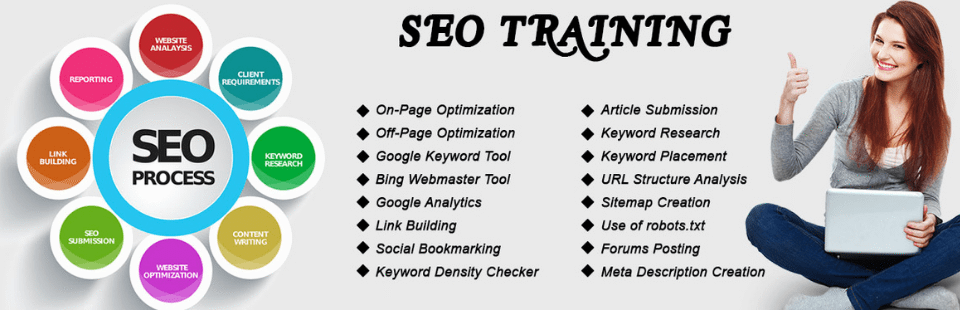
There are three main types of optimization: On-page, Off-page, and Technical. On-page optimization focuses on improving the content and elements within a website. This includes using proper keywords, writing high-quality articles, optimizing headings, meta descriptions, and images. Keywords play a very important role because they help search engines understand what the content is about.

business people use SEO tools, Unlocking online potential. Boost visibility, attract organic traffic, and dominate search engine rankings with strategic optimization techniques. digital marketing
Local seo services
Off-page optimization refers to activities done outside the website to improve its authority and reputation. The most important part of off-page work is backlink building. Backlinks are links from other websites to your site, and they act as votes of trust. The more high-quality backlinks a website has, the more credible it appears to search engines.

Why A Retail Business Needs an eCommerce Website to Expand Business
best seo companies for small business
Technical optimization focuses on the backend structure of a website. It includes improving website speed, mobile-friendliness, secure connections (HTTPS), XML sitemaps, and fixing broken links. A technically strong website ensures that search engines can easily crawl and index all pages without any issues.
Content is the backbone of SEO. High-quality, informative, and engaging content attracts users and keeps them on the website longer. Search engines prefer content that answers user queries effectively. Regularly updating content also helps maintain rankings and relevance.
Another important factor is user experience (UX). Websites that load quickly, are easy to navigate, and provide useful information tend to perform better. Search engines consider metrics like bounce rate, time on site, and click-through rate to evaluate user satisfaction.
Local SEO is also important for businesses targeting a specific area. It helps businesses appear in local search results, especially when users search for services “near me.” Optimizing Google Business Profile, adding location-based keywords, and collecting customer reviews are key strategies in this area.
This is a long-term strategy and does not provide instant results. It requires consistent effort, monitoring, and updates based on algorithm changes. However, once a website starts ranking well, it can generate continuous traffic without ongoing advertising costs. In conclusion, SEO is essential for any website that wants to grow online visibility and attract organic traffic. By focusing on quality content, proper optimization, and user satisfaction, businesses and individuals can achieve sustainable success in the digital world.